
Why Is Change So Very Difficult—for Us and the Institutions We Inhabit?
Why is meaningful change so difficult—for individuals and for the institutions we inhabit? This essay explores third-order cybernetics, the ways our assumptions shape what we are able to see, the relationship between knowledge and power, and what becomes possible when we allow relationship itself to change how we know.

The Collapse of Listening
To listen with reverence is to say: I make space for your becoming.
It is to lay down the sword of opinion and hold out the chalice of presence.
It is to honor that something holy might be spoken into the silence—not from our mouths, but from the unseen place between us.
And in that listening, we remember what no script, no system, no dogma can teach: That the heart was always the original altar—and listening, its most ancient prayer.

The Power of Story: Who Holds the Pen That Writes Our Reality?
Stories shape the world we live in. They help us understand who we are, what has happened to us, where we belong, and how we make meaning of our lives. Some stories nourish us, help us grow, and allow us to find ourselves within their pages. Others are written for us—imposed through the interpretations of people or institutions that possess the authority to make their version of events matter more than our own.
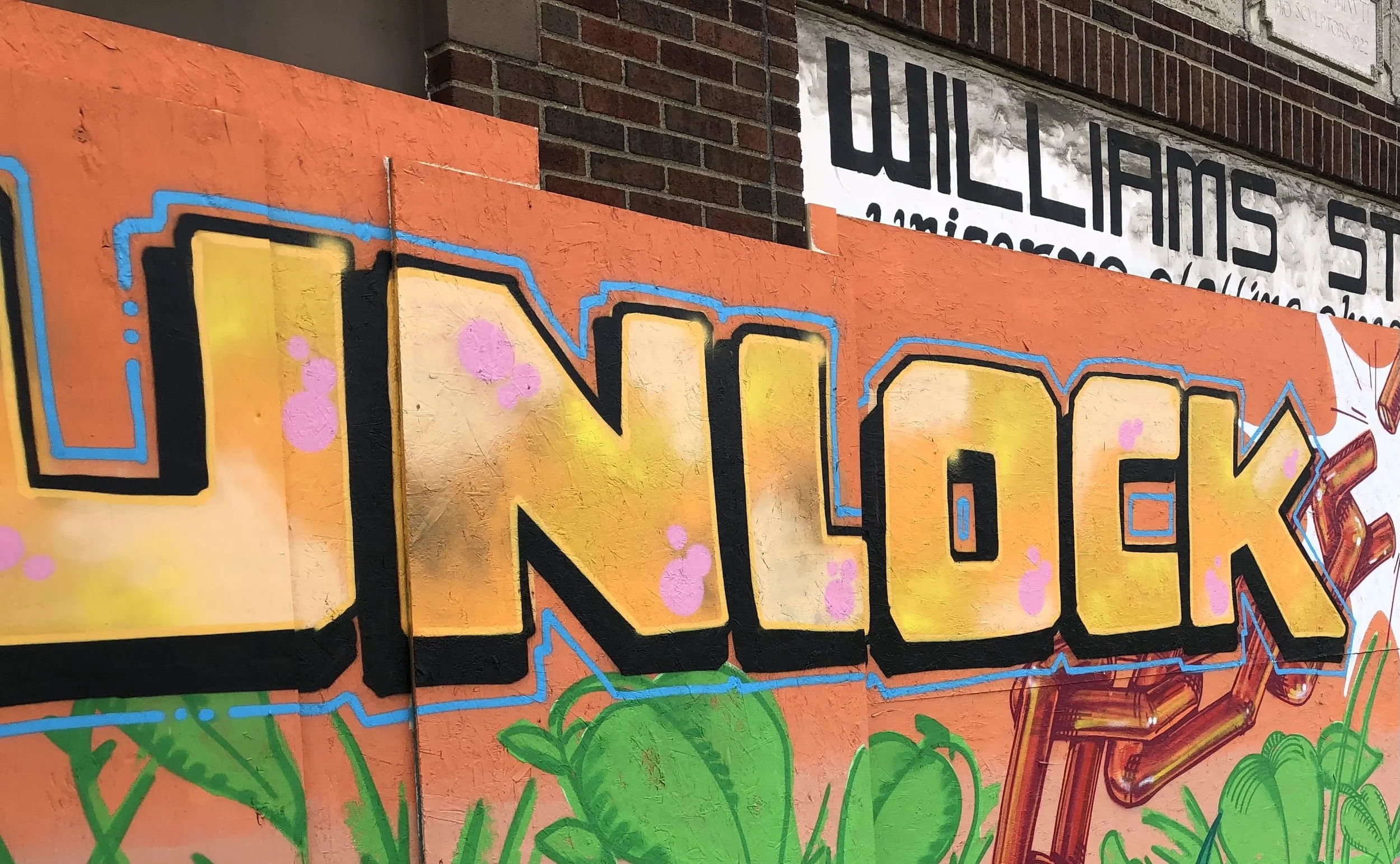
Beliefs in Action: Is our Mind & Heart in a Cage?
Our beliefs shape how we perceive the world, and many of the beliefs through which we live are so familiar that we no longer recognize them as beliefs at all …

Unveiling the Sacred: Reflecting on Our Way of Knowing
In the quiet moments of dawn, as the first light of day begins to weave its golden threads through the darkness, there lies an invitation to reflect deeply on something we rarely stop to consider:
How have we come to know what we believe we know?
We move through our days making countless judgments about what is true, whom we trust, what matters, what is possible, and how we should act. Yet beneath those judgments lie assumptions we may have inherited so early—or encountered so repeatedly—that we no longer recognize them as assumptions at all.