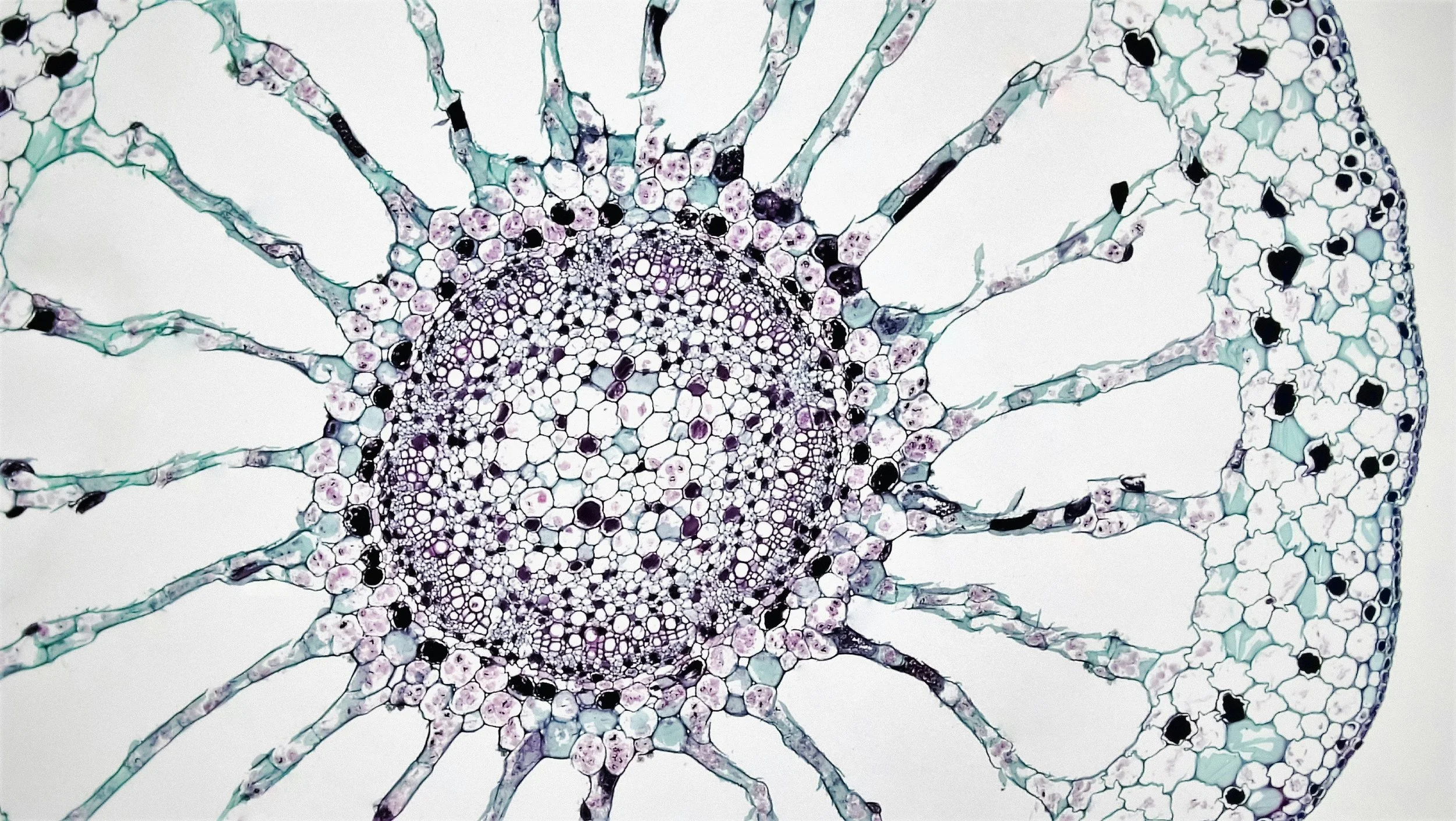
The Terrain of Healing: Why Looking at the Whole Is Nothing New
What if healing requires us to look beyond symptoms and diagnoses to the whole of our lives? Our health is inseparable from the environments we inhabit, the relationships we nurture, the food and water that sustain us, and the conditions we collectively create. Moving beyond the germ theory debate, we explore a relational understanding of health and what it truly means to cultivate the conditions in which life can flourish.
Spiritual Intelligence, Emotional Intelligence, and Finding Our Way in a Topsy-Turvy World
In a world filled with uncertainty, division, and constant demands for our attention, how do we remain grounded in our own wisdom? Emotional and spiritual intelligence invite us to move beyond immediate reactions, question our conditioned ways of seeing, and cultivate the discernment, compassion, and inner knowing needed to navigate these extraordinary times.
Rediscovering Healing: Beyond Techniques, Toward Wholeness
Healing is more than finding relief from pain or emotional distress. It invites us to look gently at the patterns, relationships, and environments shaping our lives—and rediscover what it means to live with greater awareness, compassion, and wholeness.
Healing is not another destination to reach, but a different way of walking through life.

Water: The Untold Battle for the Resource of All Life
Water is life, yet increasingly it is also treated as a commodity, industrial input, and strategic resource. From Nestlé and Mount Shasta to Vandana Shiva, data centers, the Colorado River, Rights of Mother Earth, and the question of ecological tipping points, this essay asks who gets to decide what water is for—and whether we are willing to preserve the living systems upon which all life depends. Water is Life.

Why Is Change So Very Difficult—for Us and the Institutions We Inhabit?
Why is meaningful change so difficult—for individuals and for the institutions we inhabit? This essay explores third-order cybernetics, the ways our assumptions shape what we are able to see, the relationship between knowledge and power, and what becomes possible when we allow relationship itself to change how we know.

The War of Paradigms
What if many of today’s deepest conflicts are not simply disagreements over issues, but collisions between different ways of seeing and organizing the world? This essay explores mechanistic and relational paradigms, the tension between fragment and whole, the role of the observer, and what happens when failures cascade through institutions that cannot—or will not—learn from them. Ultimately, it asks a larger question: what kind of systems are we creating, and from what consciousness will we create what comes next?

Cybernetics, Control, and the Systems We Have Yet to Outgrow
Cybernetics began with questions of regulation, feedback, and control. But once we apply those ideas to human systems, the questions become much more interesting. What happens when the observer is part of the system? Can institutions actually learn from feedback? And have our most sophisticated systems evolved beyond old assumptions about hierarchy, obedience, and control?

Cybernetics: What the Heck is That?
Cybernetics sounds like something dreamed up by a committee of engineers, philosophers, and people who really enjoy making simple things sound complicated.
Maybe robots. Maybe blinking lights. Possibly someone in a lab coat saying “feedback loop” with great seriousness.
In reality, you are already living cybernetics every day.
Every conversation, family dynamic, workplace, neighborhood, and relationship contains feedback loops. We affect one another, respond, adjust, react, reinforce, and sometimes get stuck in patterns without realizing how the pattern itself is being created.
At heart, cybernetics asks how systems communicate, respond to feedback, and change. Once you begin noticing these patterns in everyday life, it becomes easier to see them in our families, communities, institutions—and in ourselves.
And then a much bigger question begins to emerge:
Have our institutions evolved as much as the world around them—or are many still running on very old operating systems, powered by surprisingly ancient ideas about control and authority?
Leaving a Trail: Due Process, Gatekeepers, and the Human Lives that Pass Through Their Hands
Civil commitment does not happen in a single moment. A person passes through a succession of gatekeepers, each entrusted with safeguards designed to protect liberty and bodily autonomy. After nearly twenty years of tracing what happens when those safeguards fail, I have come to understand my work differently: I have been leaving a trail for those who may someday come behind me.

Understanding Systemic Abuse
Systemic abuse can be difficult to recognize because no single action tells the whole story. It emerges when the actions of people, policies, practices, and institutions interact in ways that compound harm. Understanding it requires us to stop looking only at the individual pieces and begin seeing the pattern they create together.
What We Leave Behind: Remembering Wendell Berry
Wendell Berry spent a lifetime reminding us that the health of people, communities, and the Earth cannot be separated. In remembrance of the beloved poet, farmer, and writer, a reflection on land, belonging, tenderness, hope—and what it means to leave a place better than we found it.

The Small Voice Within: From Outer Referencing to Inner Knowing
In a world filled with voices telling us what to think, want, and choose, how do we hear the quiet voice within? Learning to listen may be one of the first steps toward coming home to ourselves.

The Wild Heart & the Dance of Loss
There is a sweetness that lives in the wild heart—the heart that dares to open even in sorrow, that trusts the mystery enough to keep listening. In that openness, we discover something astonishing: what we thought was gone has not vanished. It has changed form.

“It is no measure of health to be well adjusted to a profoundly sick society.”
It is time to stop swallowing the projections of sickness from a culture built on disconnection …
Institutional Corruption: Designed on Purpose
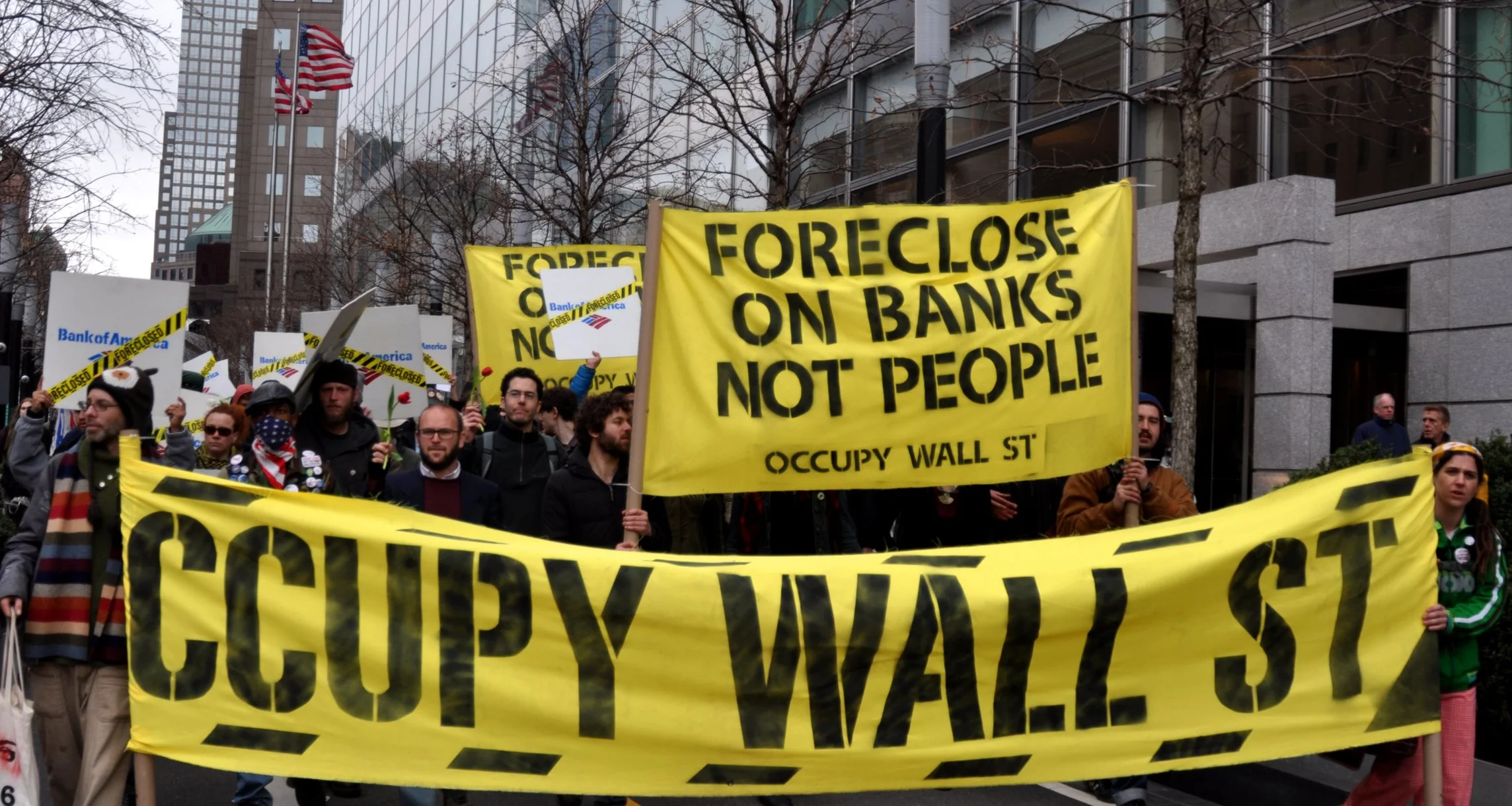
“Institutional corruption” is often framed as a lawful drift—systems nudged off mission by incentives no one intended. I disagree. In field after field, the architecture doesn’t merely allow drift; it entrenches it.
When the Unhealed Are in Charge: Power, Authority and Self-Awareness
None of us enters the world of work as a blank slate. We bring our histories into the courtroom and the boardroom, the classroom and the therapy session, the hospital and the ministry. Professional education may teach us particular skills, standards, and ways of thinking, but credentials do not somehow remove the human being underneath them.
Systemic Downfall: When Society Breaks the Circle
Everything is a circle.
The sacred breath of life moves in spirals, in seasons, in tides. The sun rises, sets, and rises again. Trees drop their leaves, only to bloom anew.
Reciprocity is the way of nature—what is given returns….
Our systemic structures are not failing because they are flawed—they are failing because they are disconnected from the sacred design.
They no longer serve life. They serve power. And have for a very long time.
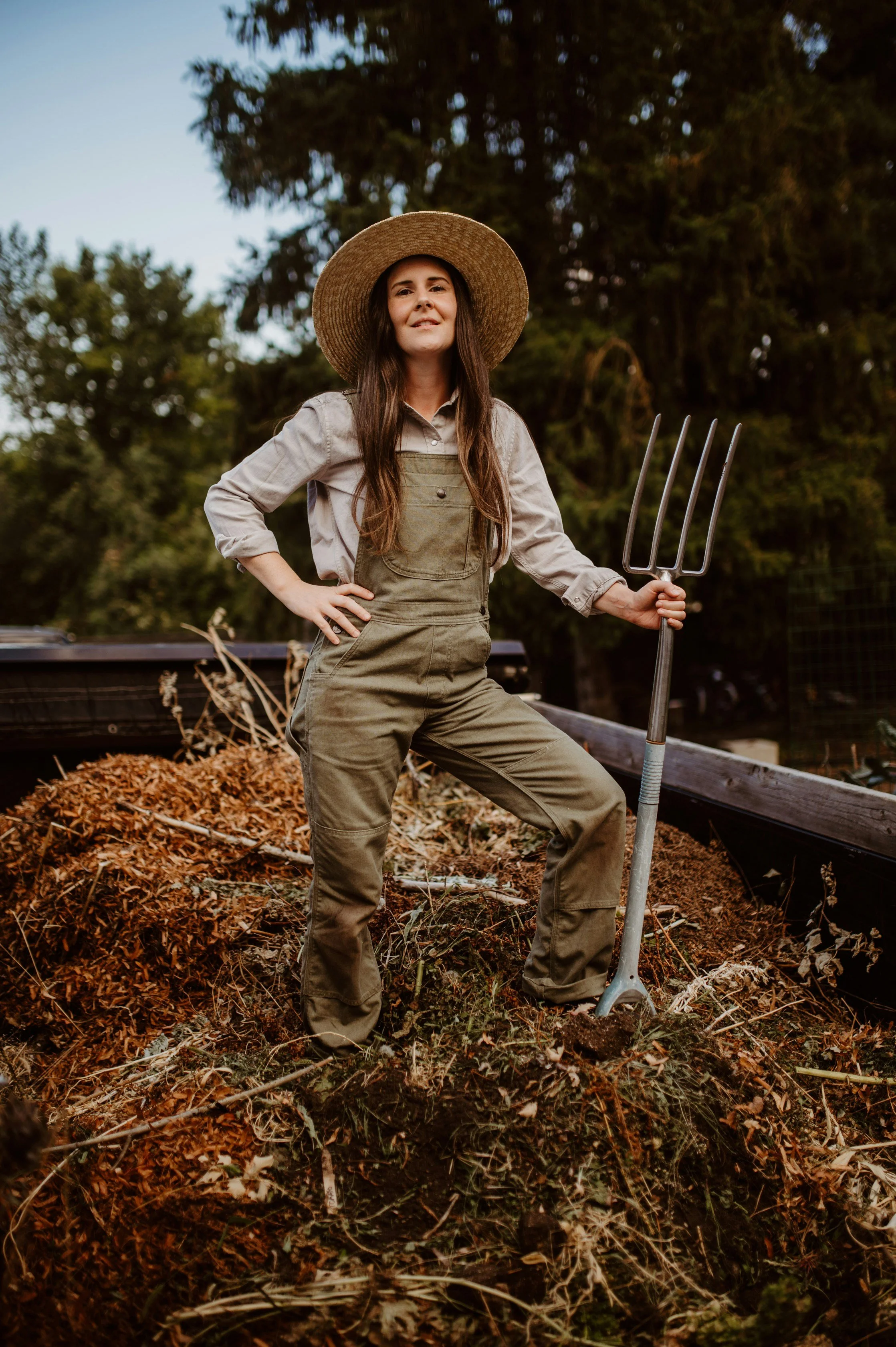
“Composting the Bureaucrats”: A Spiritual Reckoning with the Machinery of Control
I used to believe that truth had a home in the systems we built.
That laws were upheld with integrity. That courts discerned wisely. That doctors, lawyers, judges—even when flawed—ultimately served the good. I lived in the world as it was given to me, trusting that if something broke, there were hands that would repair it.
The Call to Grieve: On Grief, Anger & Betrayal
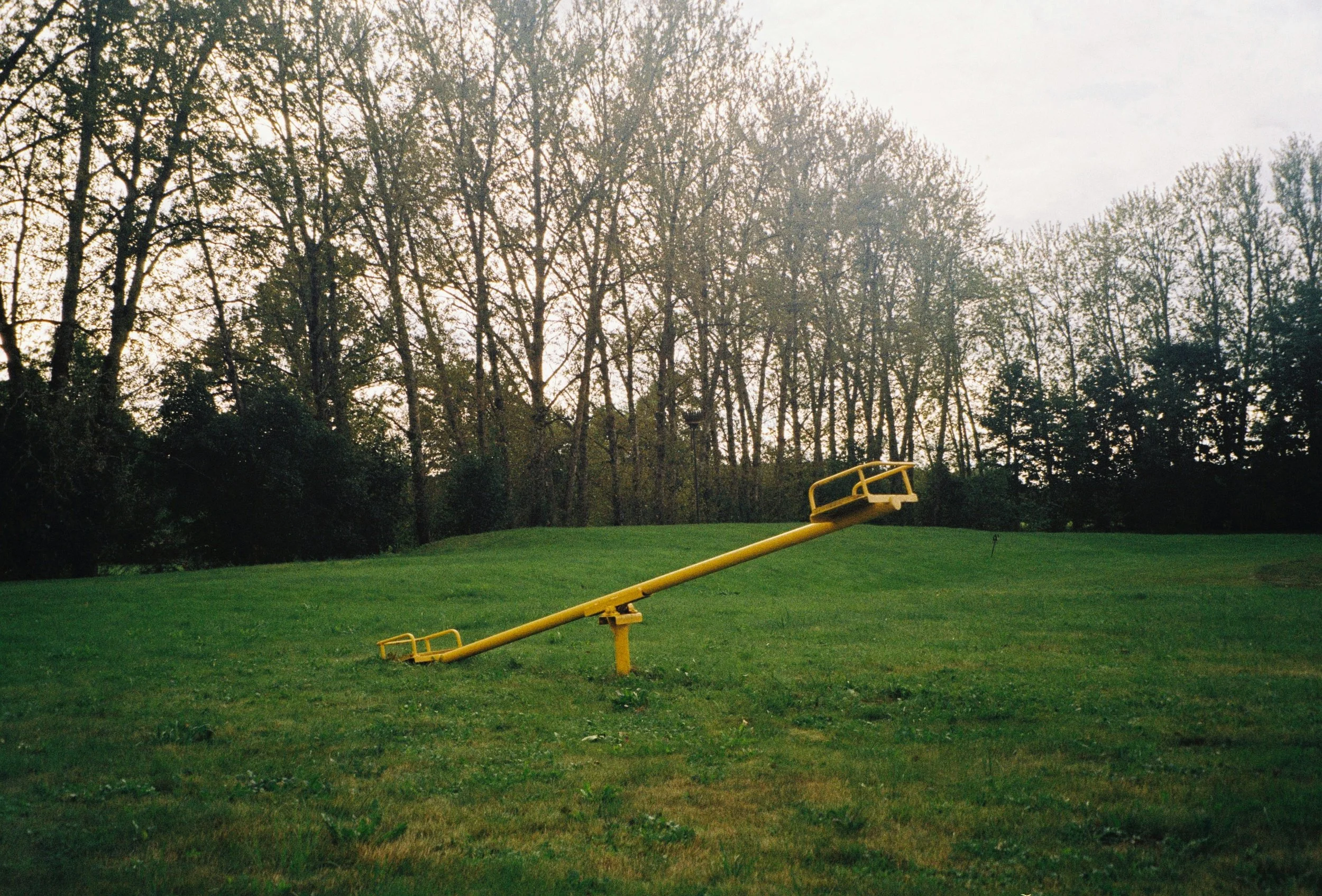
There is a seesaw inside the soul when trust is broken. One side dips into grief—the heavy ache of what was once sacred. The other rises with anger—the fire of what should never have happened.
I Should Have Been a Criminal
“With liberty and justice for all.”
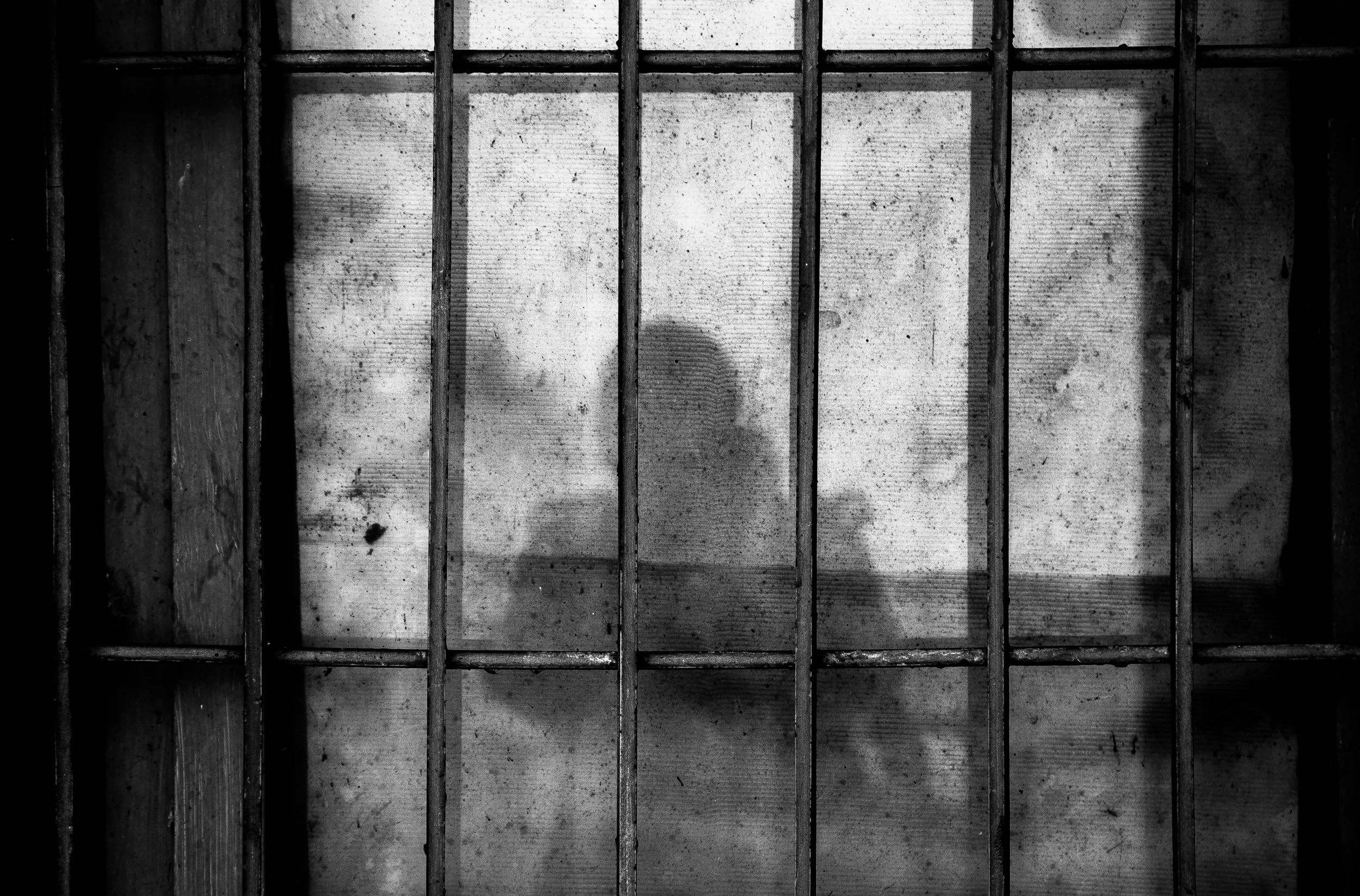
I used to believe those words. As a child, I stood straight and recited them with hand over heart—believing in the promise they held … But the day I found myself standing in a windowless room beneath a hospital …